Collagen for Menopause: What Every Woman Should Know
March 27, 2026
If you've noticed your skin feeling thinner, your joints a little stiffer, or your hair losing its volume, you're not imagining things. These changes often coincide with perimenopause and menopause, and there's a reason for that: collagen loss.
Collagen is the most abundant protein in your body. It's the scaffolding that holds everything together, from your skin and bones to your joints, hair and nails. And when your hormones start to shift, your collagen levels take a significant hit.
The good news? Understanding what's happening is the first step, and there's plenty you can do to support your body through it.
What happens to collagen during menopause?
Oestrogen plays a central role in collagen production. It stimulates the fibroblasts (the cells responsible for making collagen) and helps maintain your skin's thickness, hydration and elasticity. So when oestrogen levels begin to decline during perimenopause and drop more sharply after menopause, your collagen production slows down significantly.
Research shows that women can lose up to 30% of their skin collagen in the first five years after menopause, with an ongoing decline of around 2% each year after that. That's not a gradual fade. It's a rapid structural shift that affects far more than just the surface of your skin.
This accelerated collagen loss is one of the key reasons women notice visible changes during this stage of life, including deeper lines, loss of firmness, increased dryness, and skin that feels more fragile than before. These changes can feel particularly pronounced in winter, when cold air and indoor heating work against an already compromised barrier. Our winter skincare routine for New Zealand covers the adjustments that make the biggest difference when your skin is already under hormonal pressure.
It's not just about your skin
While skin changes are often what women notice first, collagen loss during menopause affects the whole body. Collagen is a major structural component of your bones, cartilage and connective tissue, so when levels drop, you may also experience:
- Joint stiffness and discomfort as the cartilage that cushions your joints loses its resilience
- Reduced bone density as collagen (which makes up a significant portion of bone structure) declines alongside oestrogen
- Weaker hair and nails that become more brittle, thinner, or slower to grow
- Slower recovery from exercise, injury, or general wear and tear
This is why a proactive approach to collagen support during menopause isn't just about looking good. It's about protecting the structural foundations your body relies on every day.
Why marine collagen stands out
Not all collagen is created equal, and when it comes to supporting your body through menopause, marine collagen has some clear advantages.
Marine collagen is made up exclusively of type I collagen, which is the same type that makes up around 80% of the dermal layer of your skin. This makes it the closest match to the collagen your body is losing. It's also hydrolysed into small peptides, which means it has a low molecular weight and high bioavailability, so your body can absorb and use it efficiently.
A systematic review and meta-analysis of 26 randomised controlled trials found that hydrolysed collagen supplementation significantly improved both skin hydration and elasticity, with marine (fish-derived) collagen showing the strongest results for hydration specifically. These benefits were typically observed after 8 to 12 weeks of consistent use.
If you want to dive deeper into the science behind marine collagen, our complete guide to marine collagen benefits covers everything from how it's absorbed to what the clinical research actually says.
What to look for in a collagen supplement
With so many collagen products on the market, it can be hard to know what's actually worth taking. Here's what matters most, especially during menopause:
- Type I marine collagen for the best match to your skin's dermal layer
- Hydrolysed peptides with a low molecular weight for superior absorption
- An adequate dose of at least 2.5g per serve, ideally 5g or more, backed by clinical research
- Supporting ingredients like vitamin C (which is essential for your body's own collagen synthesis) and hyaluronic acid (which supports skin hydration)
- Transparent labelling so you know exactly what you're getting per dose
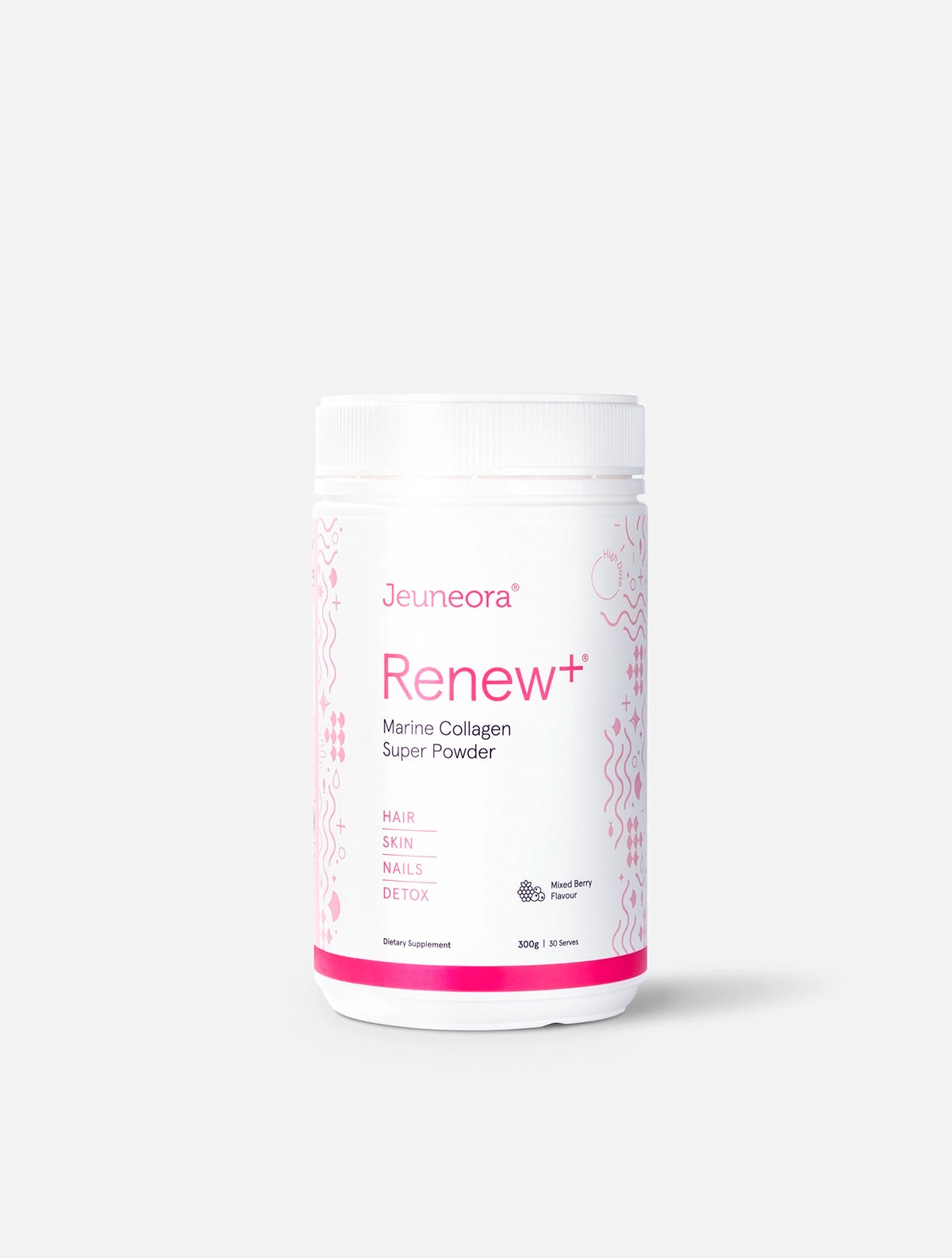
Renew+ was formulated to meet all of these criteria. Each serve contains 6g of premium Naticol® French marine collagen peptides, sustainably made in France from upcycled fish skins, a by-product of the fishing industry, so nothing goes to waste. It also includes 1000mg of vitamin C, hyaluronic acid, bromelain for digestive support, and zeolite for natural detoxification.
With over 4,300 verified reviews and consistent results across skin, hair, nails and gut health, it's one of the most trusted collagen supplements in Australia and New Zealand.
The hormonal side of the equation
Here's where things get really interesting. Collagen loss during menopause isn't just a collagen problem. It's a hormone problem. Because oestrogen is what drives collagen production in the first place, supporting your hormonal balance during this time can make a meaningful difference to your body's ability to maintain its collagen levels.
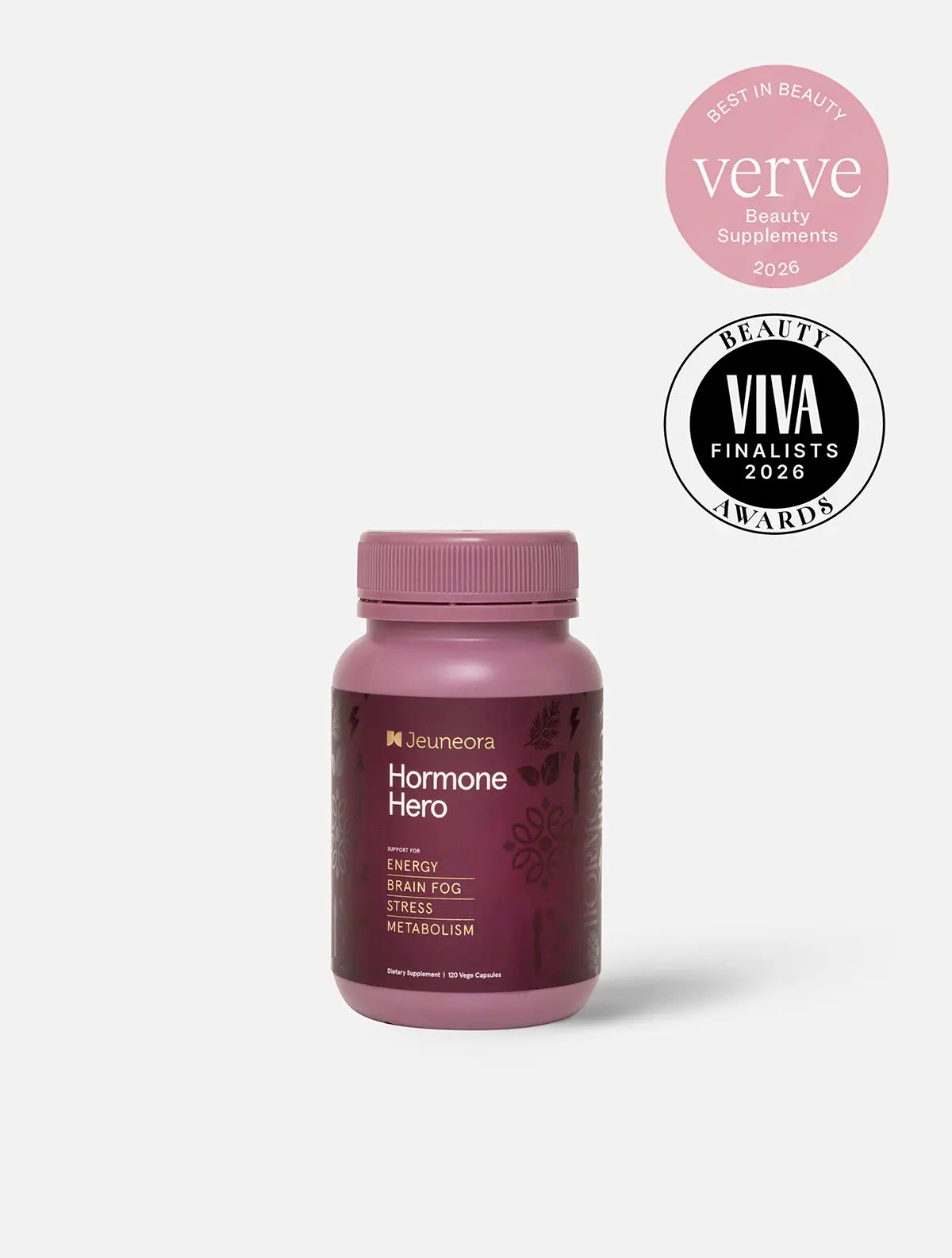
This is one of the reasons Hormone Hero was developed. Created by Jeuneora founder Monique from her own experience navigating perimenopause, it's formulated with clinically studied botanicals chosen to support what women actually go through when their hormones shift.
The formula includes:
- Eriomin® (patented lemon bioflavonoid extract) to support healthy metabolic function, blood sugar balance, and the body's natural production of GLP-1
- Fermodiola® (fermented rhodiola) for stress resilience, energy and mood
- Bluenesse® for calm and focus
- Chaste berry and shatavari to support hormonal balance
- Globe artichoke to support liver health, oestrogen metabolism and joint stiffness
- Magnesium for sleep, mood, energy and muscle recovery
By addressing the hormonal shifts that accelerate collagen loss, rather than just the collagen itself, Hormone Hero works alongside your collagen supplement to give your body more complete support during menopause. And if you're still cycling and wondering whether your intensifying symptoms are PMS, perimenopause or both, our guide to why your PMS might be getting worse untangles the overlap.
A simple menopause support routine
If you're navigating perimenopause or menopause and want to support your body from the inside out, here are some practical steps that work together:
- Replenish your collagen daily with a high quality marine collagen supplement like Renew+ to provide the building blocks your body needs
- Support your hormones with Hormone Hero to help address the hormonal shifts that drive collagen loss, mood changes and energy dips
- Support your gut health because your gut microbiome influences inflammation, nutrient absorption and skin health, all of which matter more during menopause. Our guide to the gut-skin connection covers how to support it
- Prioritise protein at every meal to give your body the amino acids it needs for collagen synthesis and muscle maintenance
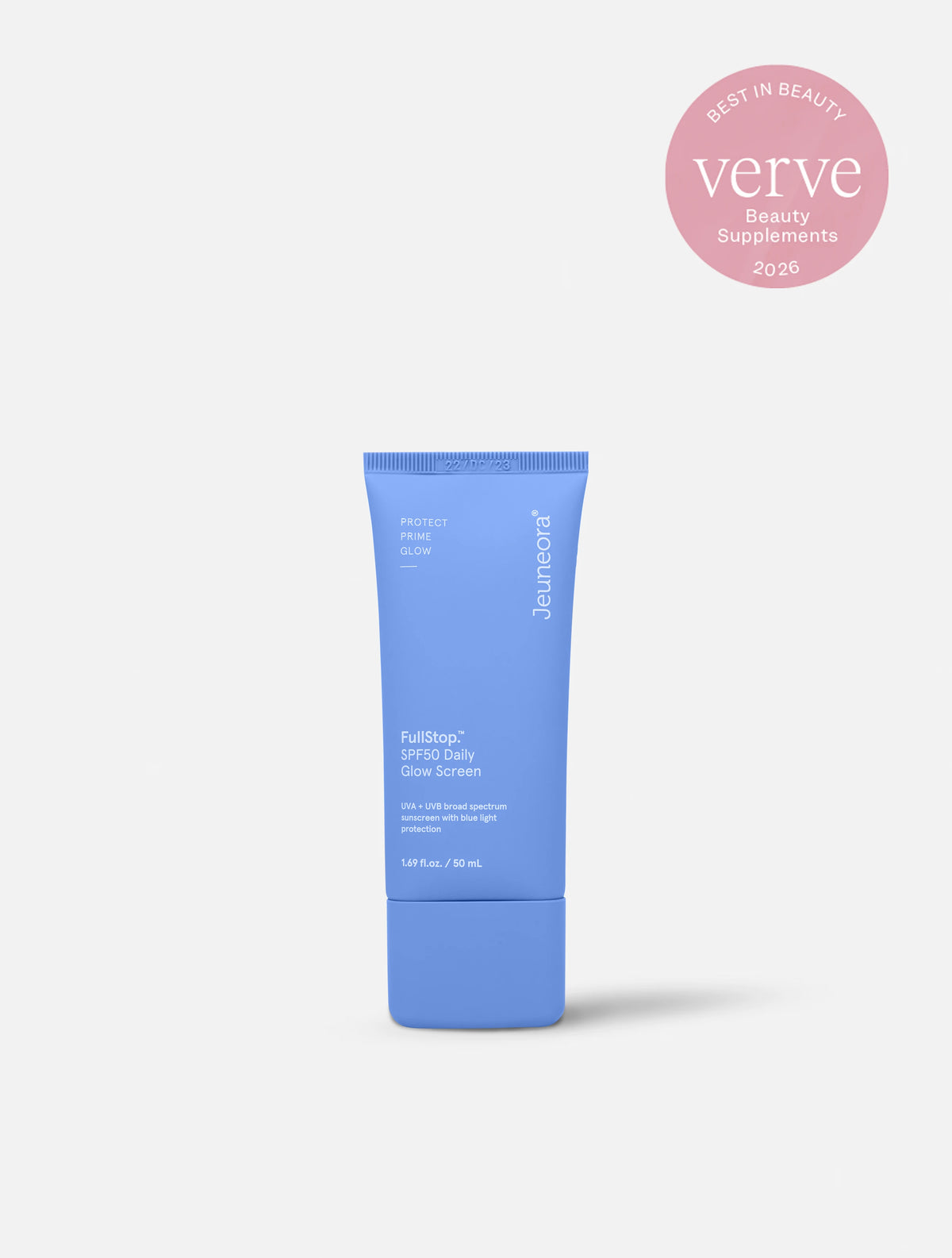
- Protect your skin from UV with a daily SPF like FullStop SPF50, because sun exposure accelerates collagen breakdown, and your skin is more vulnerable during menopause
- Stay active because regular movement supports bone density, joint health and blood flow to the skin
- Work with your healthcare team to ensure your overall health markers are on track, especially bone density and hormonal health
The bottom line
Perimenopause and menopause are natural stages of life, but the collagen loss that comes with them doesn't have to go unsupported. By understanding what's happening in your body and taking a proactive approach with the right nutrition, supplementation and lifestyle habits, you can protect your skin, bones and joints for the long term.
The combination of a quality marine collagen supplement and targeted hormonal support is one of the most effective strategies available, and it's something you can start today.
If perimenopause sleep changes are part of your story, our deep dive into why women sleep worse in perimenopause covers the cortisol and progesterone shifts driving 2-4am wake-ups, and what genuinely helps.
Interested in how hormones affect your metabolism more broadly? Read our guide to GLP-1 and weight loss for the full picture on metabolic health and natural hormone support.
If you've started supplementing and want to know whether it's making a difference, here are the five signs your collagen is actually working and when to expect them.
And if anti-wrinkle injections are part of how you look after your skin, here's whether collagen helps them last longer, and what genuinely helps between appointments.