5 Signs Your Collagen Is Actually Working
April 09, 2026
You've been adding collagen to your morning routine for a few weeks now. Maybe you stir it into your coffee, mix it into a smoothie or take it with water first thing. But you're wondering: is it actually doing anything?
It's a fair question. Collagen isn't like caffeine. There's no instant hit. The changes happen gradually, from the inside out, and they don't always show up where you expect them first. But when you know what to look for, the signs are real and they're backed by clinical research.
Here are five signs that your collagen supplement is genuinely working, plus what to expect and when.
1. Your skin feels more hydrated (even before it looks different)
This is usually the first sign, and it's one you'll feel before you see. Your skin starts to feel less dry, less tight after cleansing and more comfortable throughout the day. It's subtle, but it's meaningful.
Clinical research consistently shows that skin hydration is one of the earliest measurable benefits of collagen supplementation, often appearing within four to six weeks of daily use. A meta-analysis of 26 clinical trials found that oral hydrolysed collagen significantly improved skin hydration, with marine collagen showing the strongest effects.
Why does this happen? Collagen peptides stimulate your skin's fibroblasts, the cells responsible for producing collagen, elastin and hyaluronic acid. More hyaluronic acid means your skin holds moisture more effectively. It's not surface hydration from a cream. It's your skin genuinely retaining more water from within.
When to expect it: 4 to 6 weeks of consistent daily use.
2. Your nails are stronger and growing faster
This one often sneaks up on people. You might notice you're trimming your nails more often, or that they've stopped peeling and splitting the way they used to. For many women, stronger nails are actually the first visible sign that collagen is doing its job.
A placebo controlled study published in the Journal of Cosmetic Dermatology found that participants who took collagen peptides daily experienced a significant reduction in nail breakage and faster growth over 24 weeks. The improvements started to show well before the study ended.
Your nails are made of a protein called keratin, which relies on many of the same amino acids found in collagen, particularly proline. When your body has a steady supply of these building blocks, it shows up in your nails first because they grow relatively fast compared to other tissues.
When to expect it: 4 to 8 weeks for noticeable strength improvements.
3. Your skin starts to look firmer and fine lines soften
This is the one most people are waiting for, and it takes a bit longer. But when it arrives, it's unmistakable. Skin starts to look plumper, fine lines around the eyes and mouth begin to soften, and your complexion takes on a quiet radiance that's hard to replicate with makeup alone.
Research shows that visible improvements in skin elasticity, firmness and wrinkle depth typically become apparent after 8 to 12 weeks of consistent collagen supplementation. One clinical trial on marine collagen peptides reported a measurable reduction in wrinkle depth and improved skin firmness after just eight weeks, with ongoing improvements beyond that.
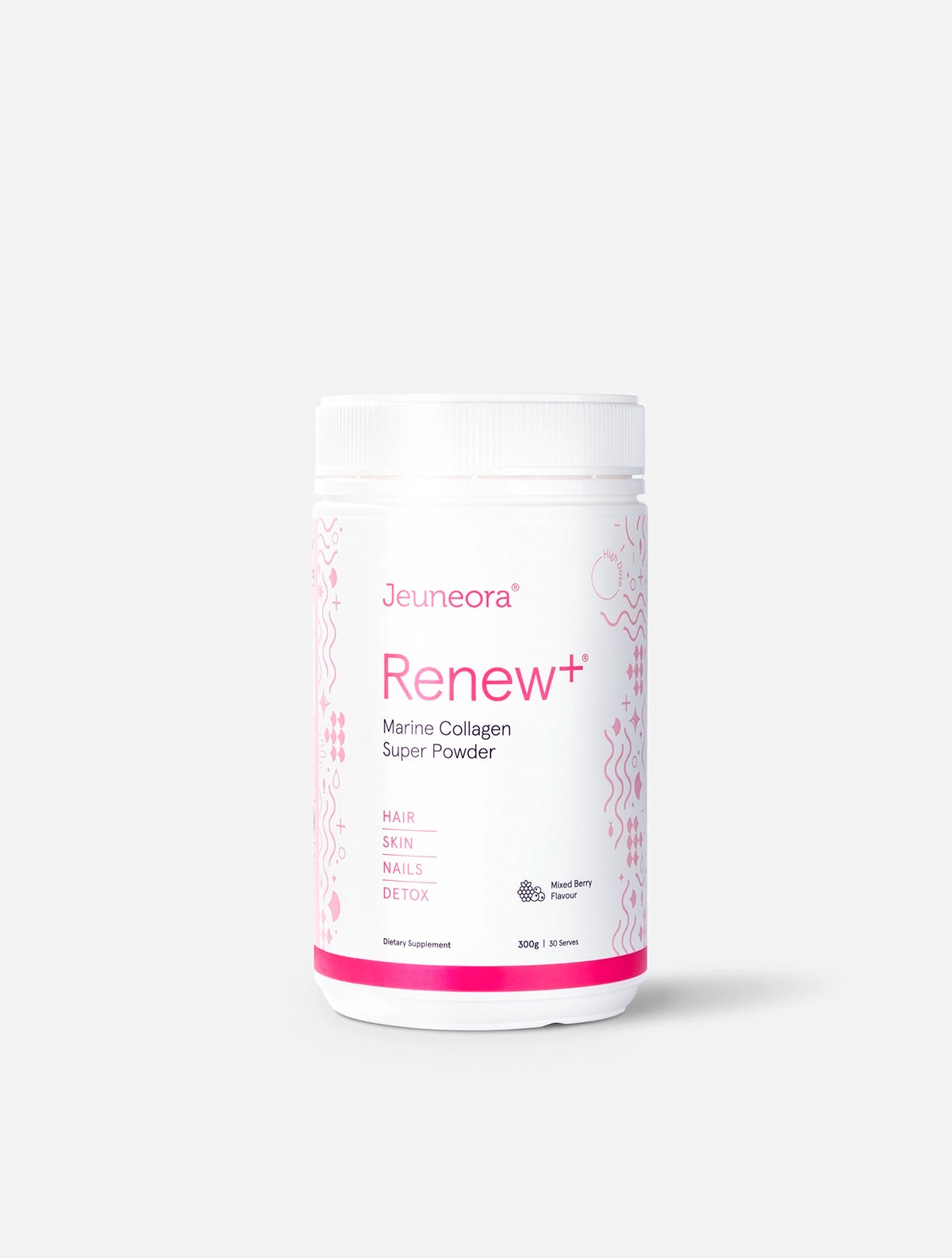
This is where the quality of your collagen really matters. Renew+ uses Naticol® French marine collagen peptides, which are clinically studied for exactly these outcomes. Each serve delivers 6g of hydrolysed type I marine collagen with a low molecular weight for superior absorption, plus 1000mg of vitamin C to support your body's own collagen synthesis.
If you want to understand more about how marine collagen works and what the research actually shows, our complete guide to marine collagen benefits covers it in detail.
If anti-wrinkle injections are part of your routine too, we've given an honest answer on whether collagen helps anti-wrinkle injections last longer, and what genuinely helps between appointments.
When to expect it: 8 to 12 weeks of consistent daily use.
4. Your hair looks and feels different
Hair changes tend to take the longest to show, which makes sense when you consider how hair grows. Your hair follicles need a consistent supply of amino acids, vitamins and minerals to produce strong, healthy strands. When collagen provides those building blocks over time, the new growth that comes through reflects it.
Women who supplement with collagen consistently often report less shedding, more volume at the roots and hair that feels thicker and stronger overall. One clinical trial involving marine collagen supplementation reported measurable improvements in hair density and self-reported hair quality over 12 weeks.
If you're on a GLP-1 medication or have recently experienced significant weight loss, hair changes can be especially noticeable because rapid calorie reduction often triggers increased shedding. Collagen can help counteract this by providing the specific amino acids your hair follicles need. Our GLP-1 side effects nutrition guide covers this in more detail.
When to expect it: 3 to 6 months for noticeable thickness and reduced shedding.
5. Your joints feel more comfortable
This is the benefit that surprises people the most. You might not have started taking collagen for your joints, but one day you realise your knees don't ache after a walk, or your morning stiffness has eased. It's a quiet improvement, but a significant one.
Collagen is a major structural component of your cartilage, tendons and ligaments. As your natural collagen production declines with age, joint comfort and flexibility can decrease too. Supplementing with collagen peptides provides the specific amino acids your connective tissue needs to repair and maintain itself.
Multiple clinical trials have shown measurable improvements in joint stiffness and comfort within 8 to 12 weeks of daily collagen use, with the most significant benefits appearing at the three to six month mark.
For women in their 30s, 40s and beyond, this is especially relevant. Collagen decline accelerates during perimenopause as oestrogen levels drop, affecting not just skin but also bone density, joint health and connective tissue. Supporting your body with both collagen and targeted hormonal support can make a real difference during this stage of life. Our guide to collagen for menopause covers what's happening and how to support it.
When to expect it: 8 to 12 weeks for initial improvement, 3 to 6 months for significant results.
What affects how quickly collagen works?
Not everyone will see results on exactly the same timeline, and that's completely normal. Several factors influence how quickly your body responds to collagen supplementation.
Your age. Collagen production declines by roughly 1 to 2% per year from your mid-twenties onwards. If you're starting supplementation later in life, your body has more ground to make up, but you may also notice more dramatic improvements once results begin.
The quality and type of collagen. Not all collagen supplements are equal. Marine collagen (type I) is the closest match to the collagen found in your skin, and hydrolysed peptides with a low molecular weight are absorbed more efficiently. Research suggests marine collagen is up to 1.5 times more bioavailable than bovine sources. The dose matters too. Clinical studies typically show benefits at 2.5g to 10g per day, with many showing the best results at 5g to 6g.
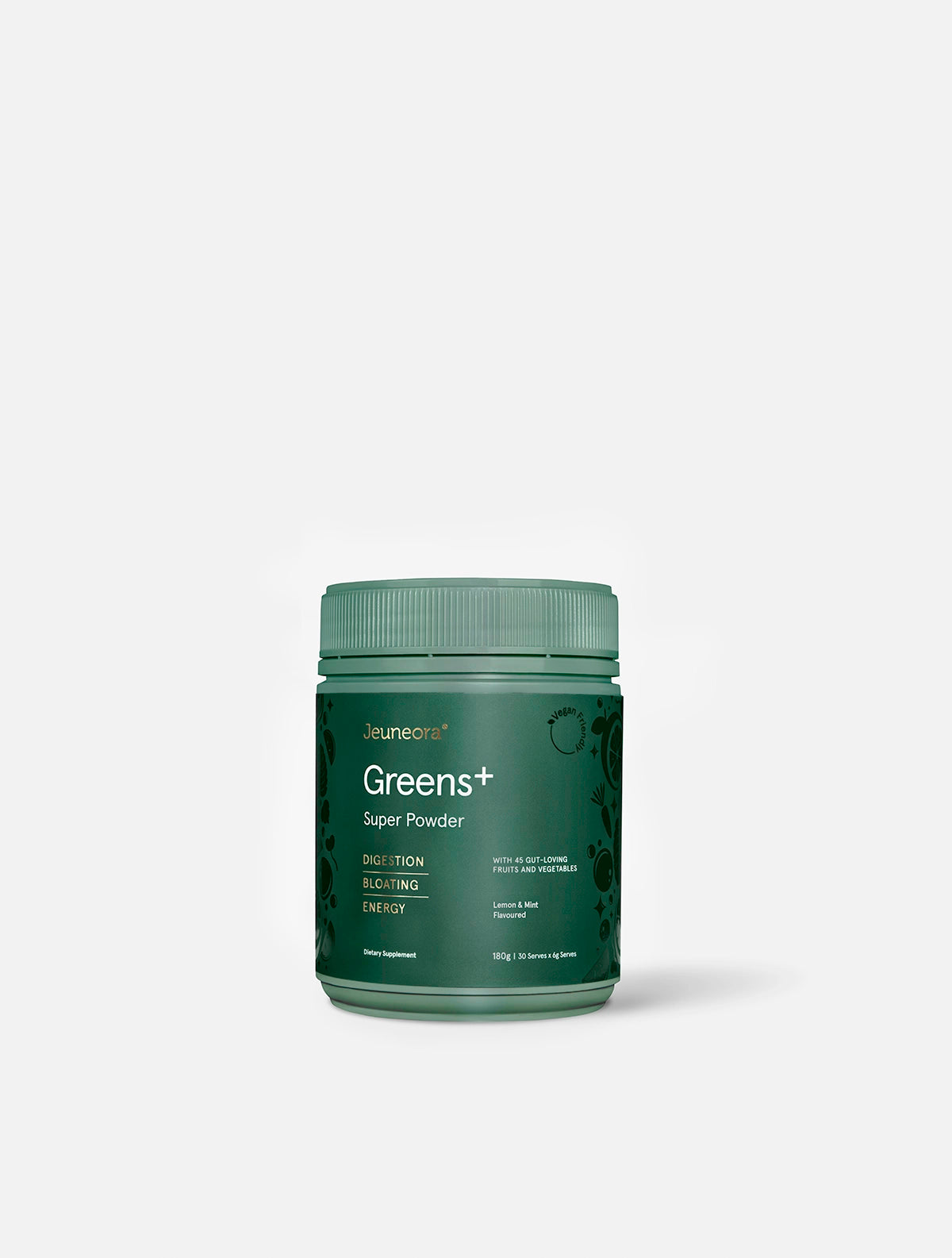
Your overall nutrition. Collagen synthesis doesn't happen in isolation. Your body needs vitamin C to produce collagen, along with zinc, copper and adequate protein from your diet. If your overall nutrition is strong, your collagen supplement has more to work with. This is one of the reasons pairing collagen with a comprehensive daily supplement like Greens+ can enhance your results.
Consistency. This is the single biggest factor. Collagen works cumulatively. The clinical studies that show meaningful results all ran for a minimum of eight weeks, with many showing the best outcomes at 12 weeks and beyond. Missing days or stopping and starting will slow your progress.
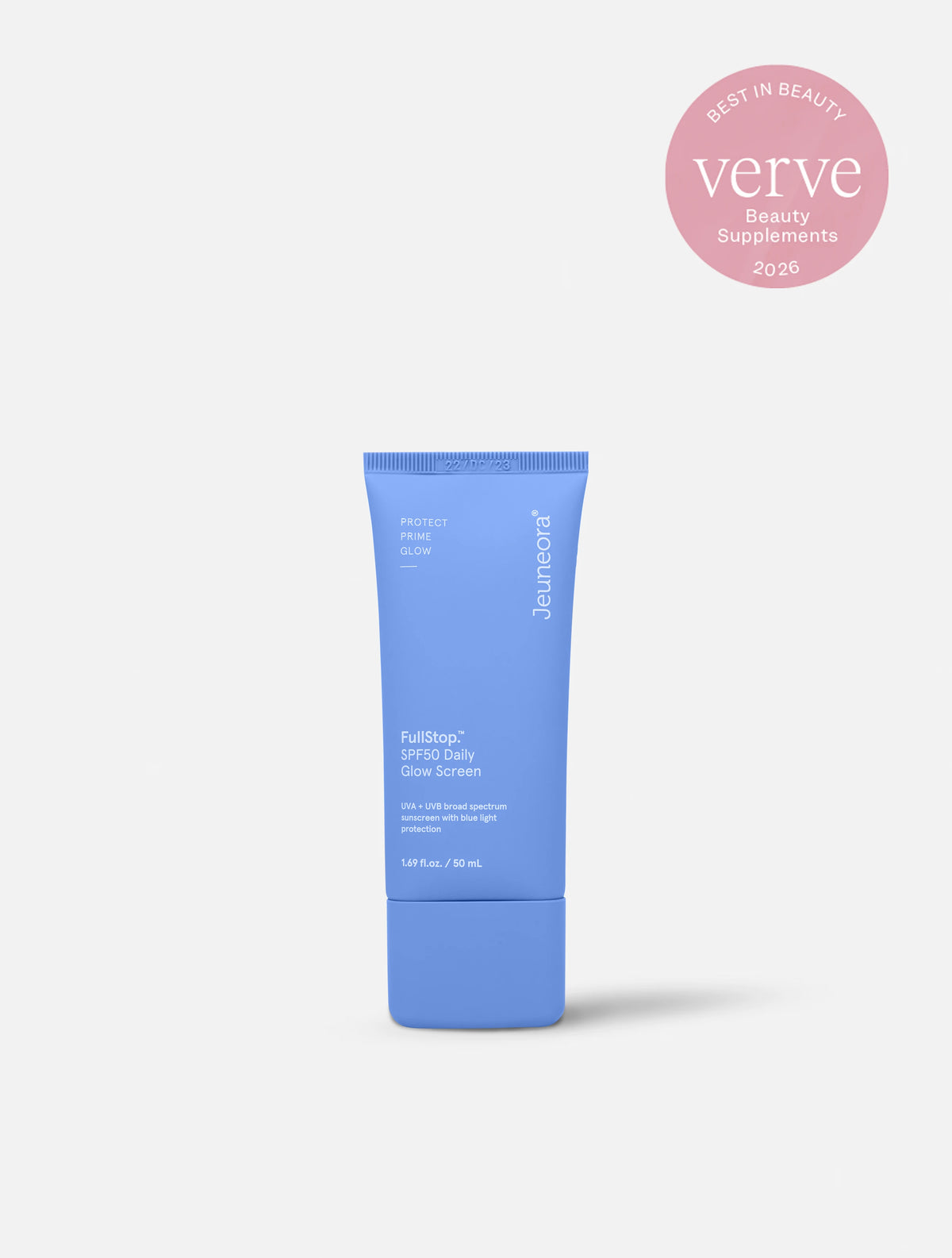
Lifestyle factors. UV exposure, smoking, poor sleep and high stress all accelerate collagen breakdown. Protecting your existing collagen with a daily SPF like FullStop SPF50, managing stress and staying hydrated gives your supplement the best chance to do its job.
How to get the most from your collagen supplement
If you want to maximise your results, here are some practical ways to support your collagen routine:
- Be consistent. Take your collagen every day. Set a reminder, anchor it to a habit you already have (like your morning coffee) and don't skip days.
- Choose quality. Renew+ delivers 6g of clinically studied Naticol® marine collagen peptides per serve, sustainably made in France from upcycled fish skins, a by-product of the fishing industry, so nothing goes to waste. It also includes vitamin C, hyaluronic acid and bromelain in a single daily serve.
- Support from the inside out. A daily serve of Greens+ provides the vitamins, minerals and prebiotics your body needs alongside collagen to support overall skin and gut health.
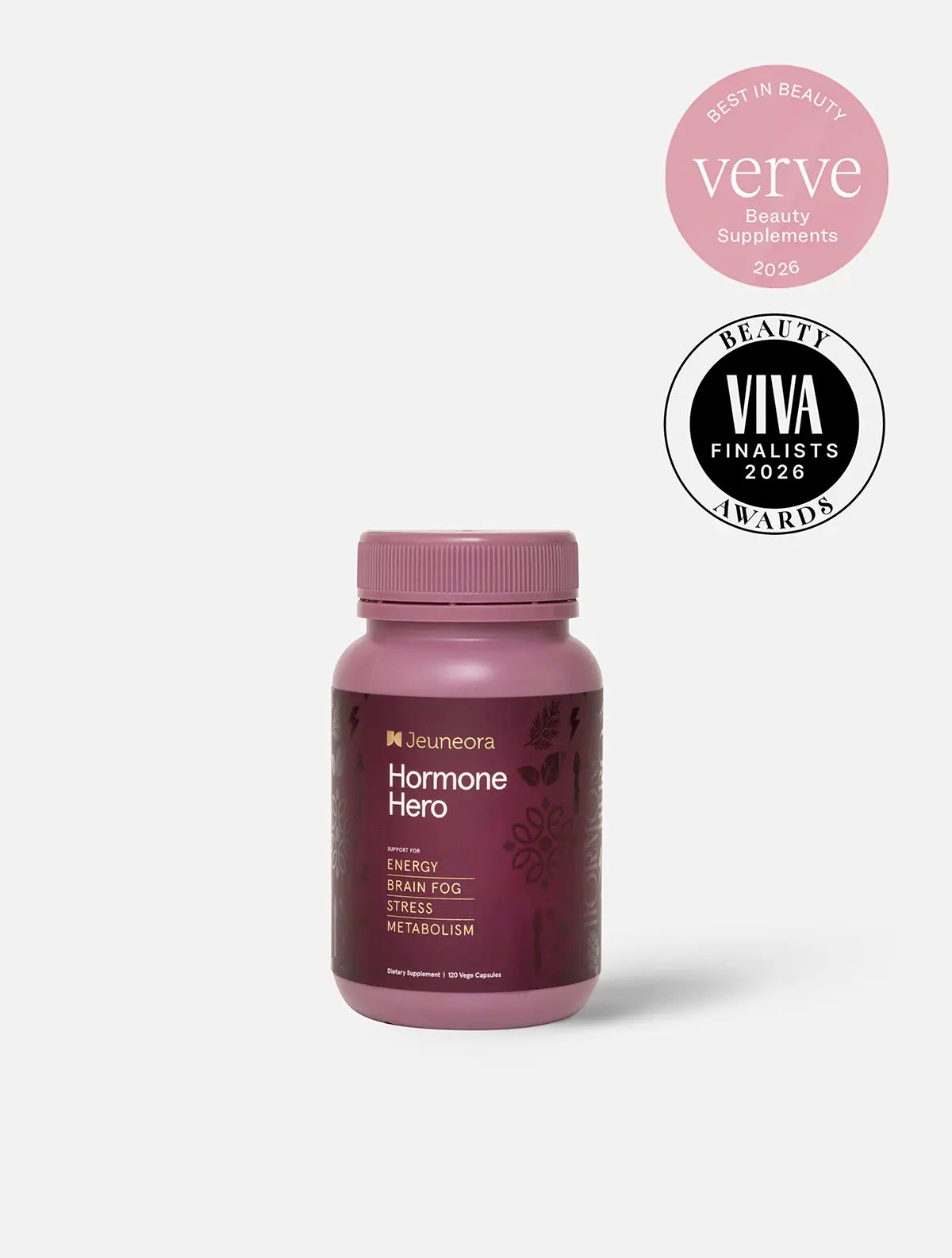
- Address the hormonal side. If you're navigating perimenopause or menopause, the hormonal shifts that drive collagen loss are worth addressing too. Hormone Hero includes clinically studied botanicals like Eriomin®, Fermodiola® and Bluenesse® to support energy, mood and metabolic health during this stage.
- Protect what you have. Wear a daily SPF like FullStop SPF50, stay hydrated, prioritise sleep and manage stress. Prevention and replenishment work best together.
The bottom line
Collagen isn't a quick fix. It's a long game, and the results are worth the wait. The signs that it's working start quietly (softer skin, stronger nails) and build over time into changes you can genuinely see and feel.
The key is choosing a high quality marine collagen at an effective dose, being consistent, and supporting your body with the right nutrition alongside it. If you've been taking collagen for a few weeks and aren't sure yet, give it time. Your body is doing the work. The results are coming.
Ready to start (or upgrade) your collagen routine? Explore the Jeuneora Marine Collagen Collection and find the right fit for you.