Why Muscle Loss on GLP-1 Medications Is the Conversation Nobody's Having
March 13, 2026
If you're on a GLP-1 medication like Ozempic, Wegovy or Mounjaro, chances are you're seeing results on the scale. These medications have changed the weight loss conversation entirely, and for many women, they're delivering results that diet and exercise alone never could.
But here's the part of the story that's not getting nearly enough attention: not all weight loss is created equal. And what you're losing might not be what you think.
The hidden cost of GLP-1 weight loss
GLP-1 medications work by mimicking a natural hormone that signals fullness to your brain, slows digestion and reduces appetite. They're effective, and the weight loss results are often significant.
But research is now showing that a meaningful portion of the weight people lose on GLP-1 medications isn't just fat. Studies published in leading medical journals have found that anywhere from 15% to 40% of total weight lost on GLP-1 therapies can come from lean body mass, which includes your muscles, connective tissue and bone density.
That's a big deal. Because while losing fat is generally a positive health outcome, losing muscle is the opposite. Muscle is your body's metabolic engine. It's what keeps your metabolism running, your bones supported, your energy levels stable and your body functioning well as you age.
Why does muscle loss happen on GLP-1 medications?
It comes down to something fairly simple: when you eat significantly less (which is the whole mechanism of GLP-1 medications), your body doesn't just burn fat for energy. It also starts breaking down muscle tissue, especially if you're not getting enough protein or doing regular resistance exercise.
GLP-1 medications suppress appetite so effectively that many women find it difficult to eat enough in a day, let alone hit the protein targets their body needs to preserve lean mass. Nausea and changes in food preferences (particularly a reduced desire for protein rich foods) make this even harder.
Researchers have also found that rapid weight loss from GLP-1 medications can trigger something called adaptive thermogenesis. Essentially, your body responds to the calorie deficit by lowering your resting energy expenditure. And the less muscle you have, the more pronounced this metabolic slowdown becomes.
This is one of the key reasons so many people regain weight after stopping GLP-1 medications. A recent Oxford University review found that weight regain after stopping GLP-1 drugs was significantly faster than after ending lifestyle based weight loss programmes. When you've lost muscle along the way, your metabolism is slower than it was before, making it harder to maintain your results.
What muscle loss actually looks like (and why it matters for women)
Muscle loss on GLP-1 medications doesn't always show up the way you'd expect. You might notice that your skin looks looser despite losing weight, or that you feel weaker or more fatigued than before. You might find everyday tasks, like carrying groceries or climbing stairs, feel harder than they used to.
For women, this is especially important. Women naturally have less muscle mass than men, and we lose muscle faster as we age, particularly around perimenopause and menopause when hormonal shifts accelerate the process. Adding a GLP-1 medication on top of that can compound the issue significantly.
The medical term for this is sarcopenic obesity, where someone has a higher percentage of body fat relative to muscle, even if they appear to be at a healthy weight. It's associated with increased risk of falls, fractures, metabolic slowdown and reduced quality of life.
The point isn't to scare you off GLP-1 medications. They can be genuinely transformative. The point is that supporting your muscle and overall nutrition while you're on them isn't optional. It's essential.
The protein problem nobody's solving
Here's where the research gets really clear: protein intake is the single most important nutritional factor for preserving muscle during weight loss. Most experts now recommend that people on GLP-1 medications aim for significantly more protein than the standard guidelines, somewhere in the range of 1.2 to 1.6 grams per kilogram of body weight per day.
For a 70kg woman, that's roughly 84 to 112 grams of protein daily. And when your appetite is suppressed and you're eating smaller meals, hitting that number feels nearly impossible.
This is where the type of protein matters too. Not all protein sources are equal when it comes to supporting your body during weight loss. Your muscles need protein with specific amino acids for repair and maintenance. Your connective tissue, joints, skin and hair need a different set of building blocks entirely, particularly the amino acids glycine, proline and hydroxyproline that are found in collagen.
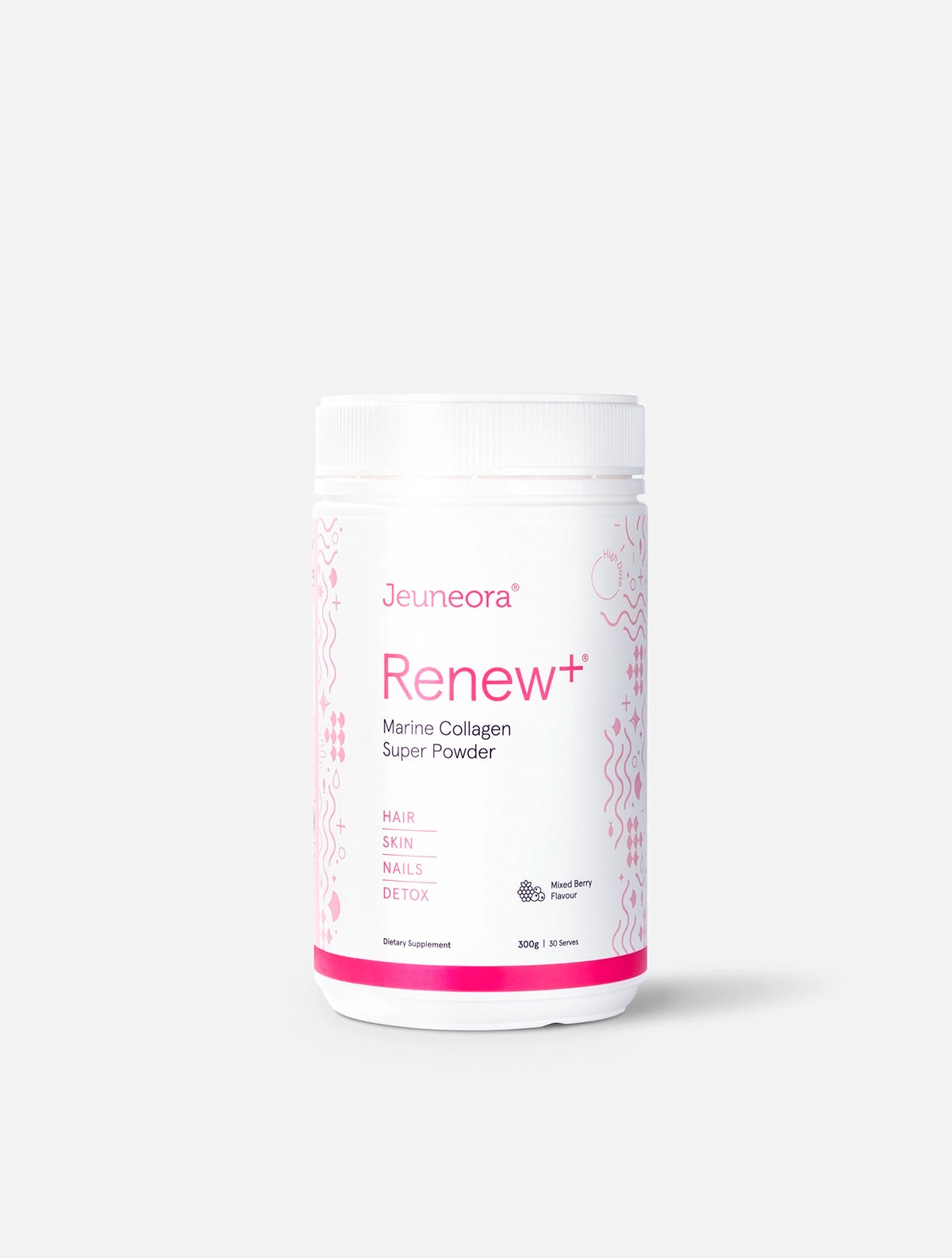
Taking a high quality marine collagen like Renew+ Marine Collagen helps fill the specific gaps that a reduced appetite creates. Collagen provides the amino acids your body needs for connective tissue repair, skin elasticity, joint support and gut health, all areas that come under pressure during rapid weight loss. It's not a replacement for complete protein sources, but it complements them in ways that a standard protein powder simply can't.
It's not just muscle. It's everything else too.
The muscle conversation is critical, but it's part of a bigger picture. When you're eating less, you're also getting fewer vitamins, minerals and micronutrients. Research has highlighted that people on GLP-1 medications are at increased risk of deficiencies in iron, vitamin B12, vitamin D, calcium and thiamine, among others.
These aren't minor inconveniences. Vitamin D deficiency affects bone density and mood. Iron deficiency drives fatigue. B12 is essential for energy and neurological function. And when you're already losing lean mass, your body needs these nutrients more than ever, not less.
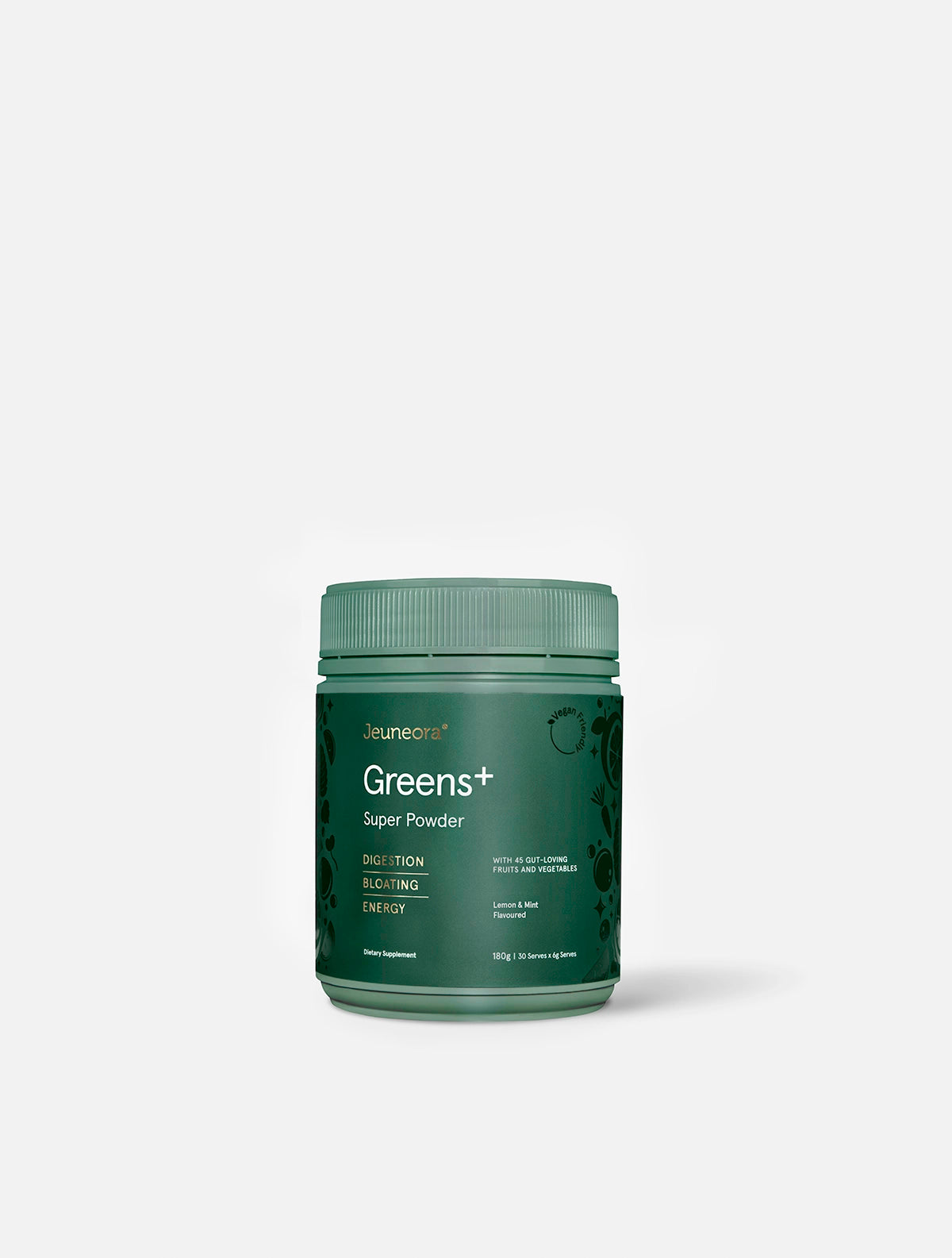
This is why a comprehensive daily greens supplement matters so much during GLP-1 treatment. Greens+ delivers 45+ nutrient dense ingredients in a single serve, including bioavailable vitamins, prebiotics and plant based superfoods. When your meals are smaller and less frequent, having a concentrated source of essential nutrition helps ensure your body isn't running on empty.
The metabolic rebound problem (and how to get ahead of it)
One of the biggest concerns emerging from GLP-1 research is what happens when people stop taking the medication. Studies show that many people regain a significant portion of their lost weight within one to two years of discontinuing treatment.
There are several reasons for this, but loss of lean muscle mass is a major one. Each kilogram of muscle you lose reduces your resting metabolic rate, which means your body burns fewer calories at rest. So when you stop the medication and your appetite returns to normal, you're now eating at a level that's higher than what your reduced metabolism can handle.
The people who maintain their results long term tend to have one thing in common: they've been proactive about preserving muscle and building a strong nutritional foundation while on the medication. That means adequate protein, regular strength training, and strategic supplementation that supports the whole picture.
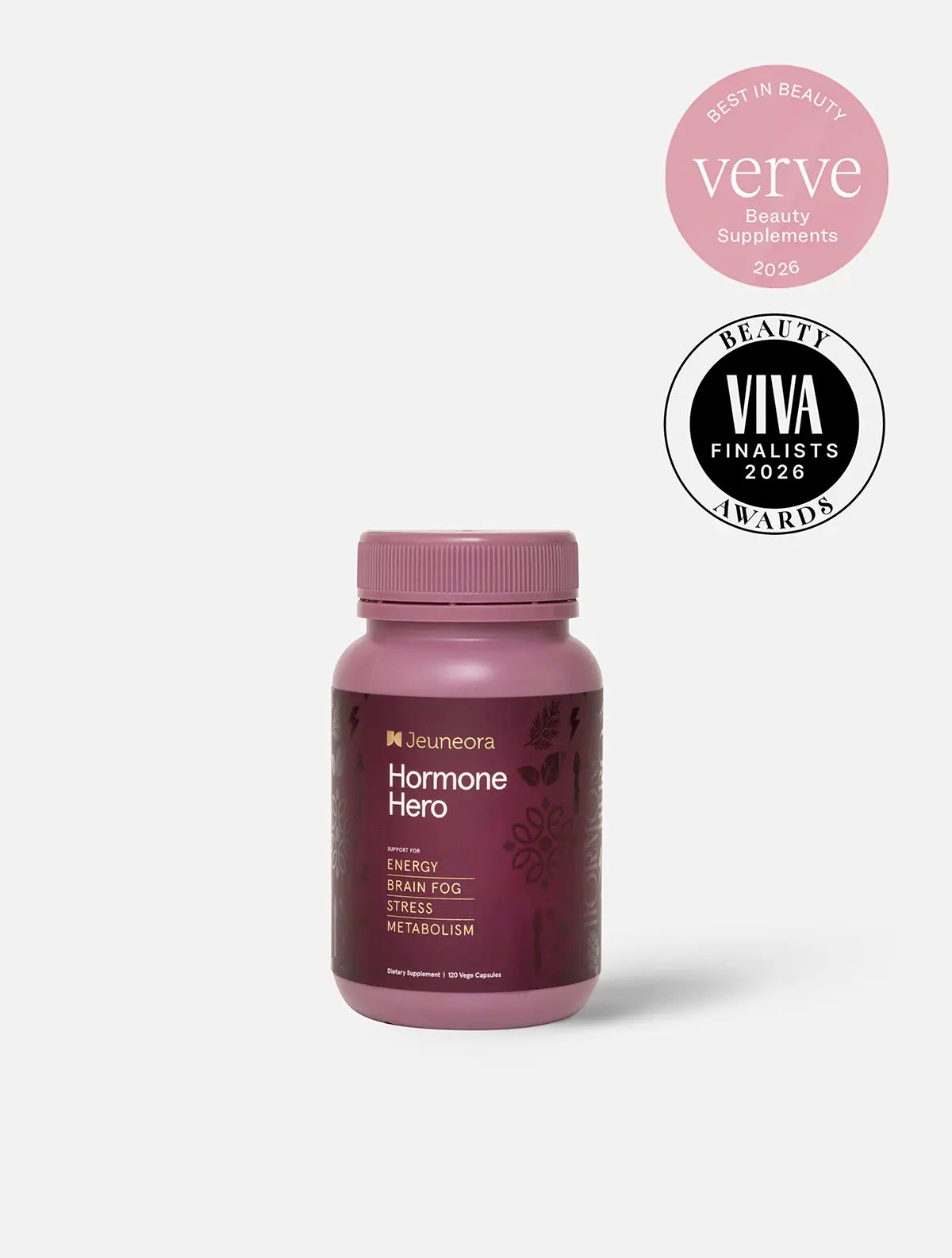
This is also where supporting your body's natural hormonal balance comes in. Hormone Hero contains Eriomin®, a patented lemon bioflavonoid extract clinically shown to support natural GLP-1 production by 22% in just 12 weeks. It also includes Fermodiola® for hormonal balance, Bluenesse® for mood and focus, plus chaste berry, shatavari and magnesium.
Whether you're on a GLP-1 medication and want to support your metabolic health naturally alongside it, or you're preparing for an eventual transition off the medication, giving your body the building blocks to produce its own GLP-1 and maintain hormonal balance is one of the smartest things you can do.
If you're navigating perimenopause alongside a GLP-1 medication, collagen loss can accelerate from both directions. Our guide to collagen for menopause explains what's happening and how to support your body through it.
What the latest research says about GLP-1 pills
2026 is also shaping up to be a landmark year for how GLP-1 medications are delivered. The oral Wegovy pill (semaglutide in tablet form) launched in the US in January 2026, and a new oral GLP-1 called orforglipron from Eli Lilly has shown strong results in clinical trials, with a TGA submission planned for Australia.
This matters because GLP-1 pills are expected to bring millions more people into the treatment landscape. The convenience of a daily tablet (versus a weekly injection) is likely to make these medications more accessible than ever, particularly across Australia and New Zealand where injectable options are already available by prescription.
More people on GLP-1 medications means the muscle loss and nutritional support conversation becomes even more urgent. Whether you're taking an injection or a pill, the same principles apply: your body still needs adequate protein, collagen, micronutrients and hormonal support to thrive during weight loss, not just survive it.
A simple support plan for protecting your body on a GLP-1
If you're taking a GLP-1 medication (or considering one), here are the key things you can do to protect your muscle, your metabolism and your long term results:
- Prioritise protein at every meal - aim for 1.2 to 1.6 grams per kilogram of body weight daily, spreading it across your meals and snacks. Even when your appetite is low, making every bite count matters.
- Add a marine collagen to your routine - Renew+ Marine Collagen supports skin elasticity, joint health, connective tissue and gut health, filling the specific amino acid gaps that reduced eating creates.
- Cover your nutritional bases - a daily serve of Greens+ provides comprehensive vitamin, mineral and prebiotic support so your body isn't running on empty when meals are smaller.
- Support your hormones naturally - Hormone Hero with Eriomin® supports natural GLP-1 production and overall hormonal balance, which is especially important for women navigating weight loss alongside perimenopause.
- Do resistance training - even two to three sessions per week of bodyweight exercises or light weights can significantly reduce muscle loss. This is the single most evidence backed strategy alongside protein intake.
- Stay hydrated - GLP-1 medications slow digestion, which makes water intake more important than ever for nutrient absorption and digestive comfort.
- Work with your healthcare team - regular blood work and check ins can catch nutritional deficiencies early, before they become a bigger problem.
The bottom line? GLP-1 medications can be a powerful tool. But the quality of your weight loss matters just as much as the quantity. Protecting your muscle, nourishing your body and supporting your metabolism is what turns short term results into lasting change.
For a deeper look at GLP-1 medications and how they work, read our Complete Guide to GLP-1 Medications for Weight Loss. And for more on how GLP-1 side effects affect your skin and hair, check out our GLP-1 Side Effects Nutrition Guide.